
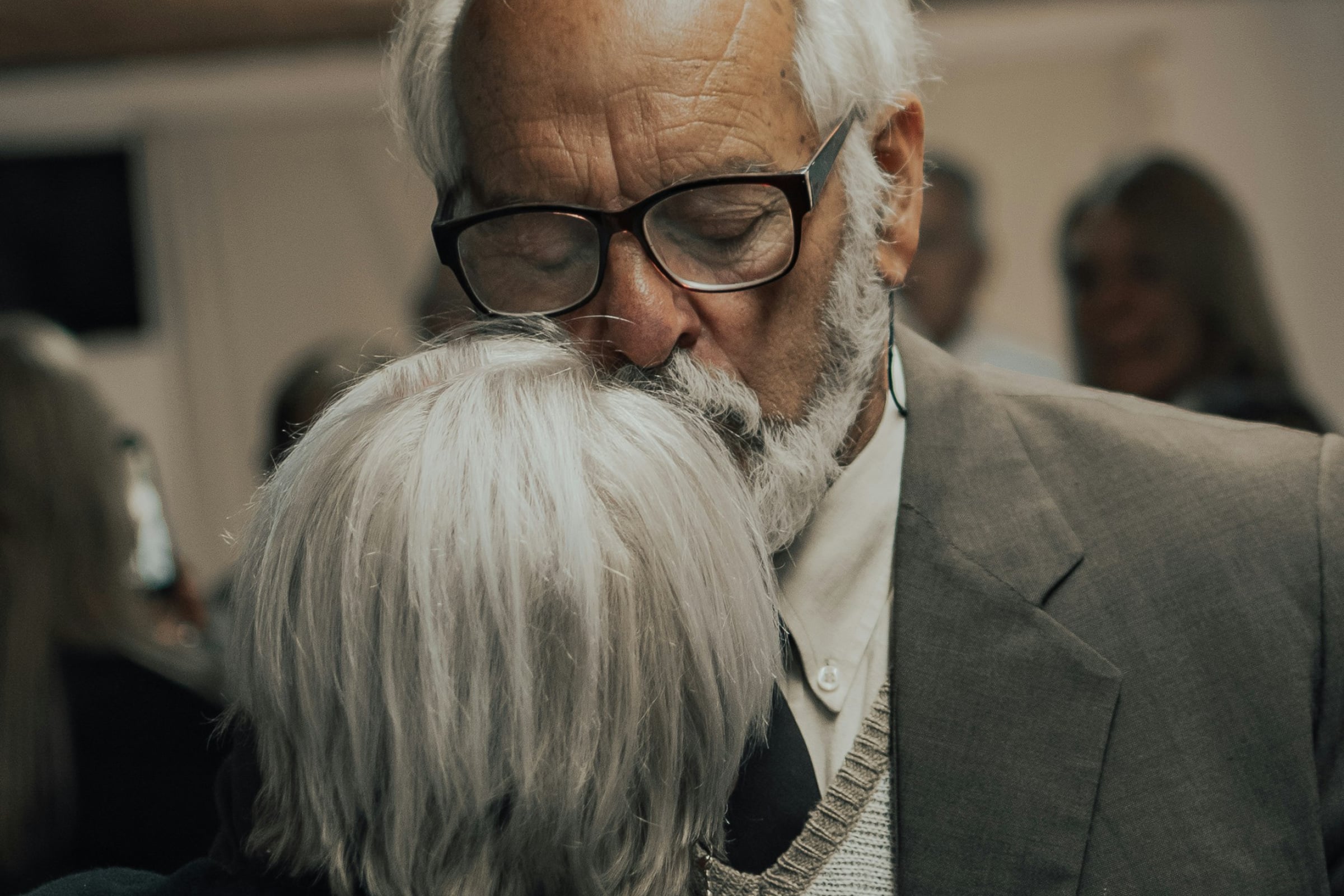
When Wayne’s mother needed secure dementia care, there was no appropriate facility available close to her home in Hokitika.
The option available to the family was in Westport. For Wayne’s father, it meant being separated from his wife of almost 60 years – and making a 240km round trip to see her.
Wayne’s mother was diagnosed with Alzheimer’s disease at 61. As her condition progressed, his father cared for her at their semi-rural home in Hokitika for as long as he could.
Over time, that became increasingly difficult. She would wander from home, sometimes leaving without him knowing where she had gone. Her personal care needs increased and there were times when she no longer recognised her husband or understood who was in the house.
Wayne remembers receiving increasingly worried phone calls from his father as the responsibility of caring for his mother became too much to manage alone.
“Dad cared for Mum at home for as long as he possibly could. When it reached the point where she needed secure dementia care, it was an incredibly difficult decision for him. He felt like he had failed her, even though he had done everything he could.”
The family then faced another problem: finding appropriate care close to home.
Wayne says there was no secure dementia care available in Hokitika. A behavioural unit in Greymouth was not appropriate for his mother’s needs, leaving a facility in Westport as the option available to the family without requiring a major move to a new city.
“It wasn’t about choosing where Mum would go. There really wasn’t a choice. If she needed that level of care, Westport was where she had to go.”
The move meant Wayne’s parents were separated by a long and demanding journey.
His father began making the 240km return trip twice a week to see his wife, sometimes travelling with a friend who also had a husband in the Westport facility and sometimes driving alone.
The journey involved a long stretch of coastal road and could be affected by weather and heavy tourist traffic.
As the months went on, the travel began taking a toll.
Wayne learned that his father had experienced several close calls while driving home tired. Concerned about his safety, the family encouraged him to reduce the visits to once a week.
“Dad was in his 80s and driving that distance because he wanted to see his wife. He was getting tired on the road and there were some close calls. Eventually it reached the point where the journey itself was putting him at risk.”
For Wayne, that period showed that the consequences of not having appropriate aged care locally extend well beyond the person who needs the care.
“When people talk about whether there is an aged care bed available, it can sound quite simple. But it isn’t just about finding a bed somewhere. It’s about what happens when that somewhere is hours away from the person’s home, their partner and their community.”
Two years ago, as Wayne’s mother’s Alzheimer’s progressed and her care needs changed, she was able to move back to Hokitika into hospital-level care.
The difference for the family has been significant. She is now within walking distance of her husband, who can visit her every day.
“It’s completely different now. Dad can walk down and see Mum every day. He doesn’t have that exhausting drive hanging over him just to spend time with his wife.”
Wayne believes his family’s experience points to a wider question about how New Zealand provides specialist aged care in smaller and more remote communities.
He says the answer may not always be replicating the large facilities found in major centres. Instead, New Zealand needs to think differently about how specialist care, including secure dementia care, can be provided closer to people’s homes and communities.
“We need to change the mindset around how we provide care in smaller communities. We can’t assume the answer will always be a large facility in a city. We need to think about how appropriate care can be provided closer to home.”
His family’s experience is at the heart of The Long Drive – showing what a gap in local aged care provision can mean in practice: an older couple separated, hundreds of kilometres on the road, and a family trying to keep them connected.


